

 When an organisation upgrades its computers or servers, what happens to the devices that are no longer used? Across Malaysia, Chennai, Hyderabad and Bangalore, the same question is becoming more common as businesses scale digitally — what is the most responsible way to remove outdated assets from inventory?
That answer lies in IT Asset Disposal.
Why IT Asset Disposal is No Longer Optional?
Every machine has a lifecycle. Once it reaches end-of-life, retention only adds cost, confusion and risk. Unused systems continue to occupy valuable floor or rack space, making asset tracking difficult and slowing expansion. A structured approach to IT Asset Disposal solves this challenge by clearing equipment systematically rather than allowing it to accumulate.
In many organisations, asset replacement happens faster than asset removal — which is how storage rooms fill with unused machines. With IT Asset Disposal, equipment can be identified, logged, removed and processed in a controlled manner, giving businesses better visibility over their physical assets.
What IT Asset Disposal Involves?
A typical IT Asset Disposal process includes: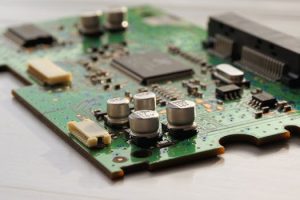
- Identification of retiring hardware
- Serial number capture & inventory documentation
- Movement to collection zone
- Data sanitisation when required
- Transportation to disposal facility
- Material recovery or destruction as per requirement
When these steps are followed, IT Asset Disposal not only clears physical space but also reduces long-term asset holding costs.
Why Companies Across South Asia Need This Process?
Cities like Chennai, Hyderabad, Bangalore and regions in Malaysia are technology-dense hubs with rapid hardware refresh cycles. New systems enter faster than old ones exit, creating the need for structured IT Asset Disposal solutions.
Instead of storing obsolete machines indefinitely, businesses are shifting to scheduled removal. This helps maintain an organised IT environment, supports audits, and aligns disposal activity with procurement planning. When a company expands, relocates or restructures, IT Asset Disposal becomes even more valuable, ensuring transitions happen smoothly without asset backlog.
 Benefits of Responsible IT Asset Disposal:
- Frees up physical workspace
- Improves inventory clarity
- Prevents untracked asset accumulation
- Supports operational hygiene
- Assists during infrastructure upgrades
- Reduces time spent on internal clearances
- Helps maintain an efficient technology environment
Regular IT Asset Disposal ensures that only active, useful equipment remains in circulation.
Practical Use Cases
Many organisations adopt IT Asset Disposal when:
 Servers are replaced with cloud or virtual infrastructure End-user devices are refreshed in bulk Branch operations are consolidated IT rooms are reorganised for efficiency Security or compliance policies require retirement of devices
Whether for corporate offices, data-driven teams, educational institutions or technology parks, the purpose remains the same — controlled extraction of unnecessary hardware.
South Asia Data Destruction – Professional IT Asset Disposal in Chennai, Hyderabad, Bangalore and Malaysia
 Unused desktops and dormant servers do not represent asset value — they represent postponed decisions. With disciplined IT Asset Disposal, businesses avoid backlog, maintain order and keep infrastructure scalable for the future.
South Asia Data Destruction offers structured removal of outdated workplace equipment, supporting businesses through collection, tagging and final clearance. If your organisation is planning an upgrade or needs to clear accumulated devices, our IT Asset Disposal services are available across South Asia, headquartered in Malaysia with operational coordination based from Chennai.
