The safe disposal of expired medicines in hospitals is not only a healthcare necessity but also a legal obligation. In today’s healthcare environment, improper disposal of pharmaceuticals, surgical instruments, and electronic medical devices can lead to serious consequences, including contamination, legal penalties, and risks to patient safety.
 Hospitals generate a vast volume of medical waste, including expired drugs, damaged or outdated medical devices, and used surgical and non-surgical tools. A structured, compliant, and environmentally responsible disposal process is essential for healthcare institutions to ensure safety, maintain credibility, and meet regulatory requirements.
Why Proper Disposal of Expired Medicines Is Crucial?
 Expired medications, if not properly destroyed, may pose significant threats:
- Environmental contamination – Pharmaceuticals in landfills or water systems can disrupt ecosystems.
- Accidental misuse – Expired medications may be mistakenly used, leading to health risks.
- Regulatory non-compliance – Hospitals must adhere to healthcare waste disposal laws and standards.
- Reputational damage – Mishandling waste can tarnish a hospital’s reputation and result in penalties.
To mitigate these risks, hospitals must partner with certified disposal services that specialize in pharmaceutical waste and medical device destruction.
Types of Medical Waste Requiring Specialized Disposal: Hospitals must handle a range of materials requiring destruction:
- Expired medications – Tablets, injections, IV fluids, ointments
- Medical devices – Infusion pumps, ECG monitors, defibrillators, diagnostic tools
- Surgical instruments – Scalpels, forceps, scissors, retractors
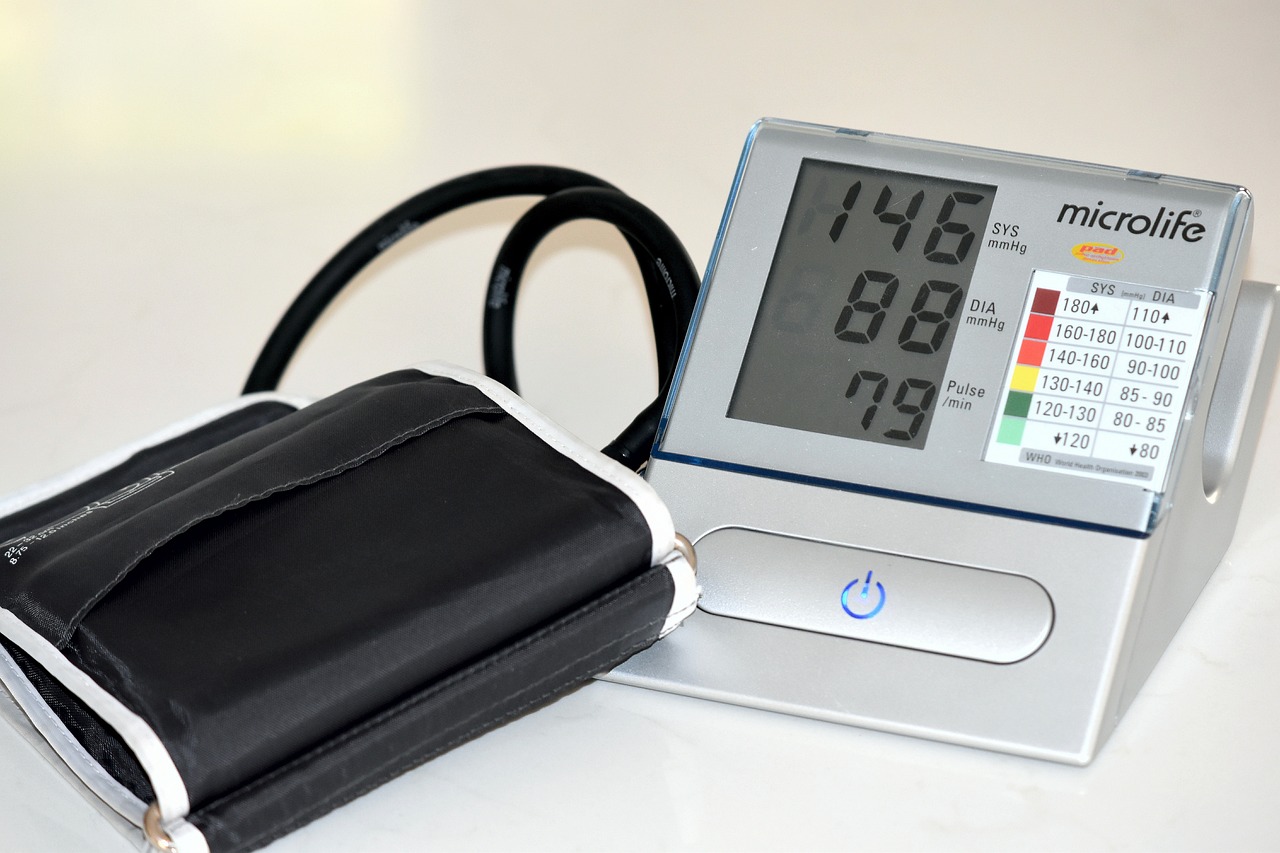
- Non-surgical instruments – Stethoscopes, blood pressure monitors, thermometers
- Single-use and contaminated tools – Gloves, tubing, dressings, syringes
Each of these items requires a different method of disposal to ensure complete destruction and regulatory compliance.
Certified Process for Disposal of Expired Medicines in Hospitals: Professional medical waste management companies specialize in the disposal of expired medicines in hospitals through a structured and compliant process. This includes:
- Secure collection and labeling of pharmaceutical and device-based waste
- Safe transportation under hazardous waste handling protocols
- High-temperature incineration for drug disposal
- Medical device destruction including shredding and data sanitization
- Destruction of surgical and non-surgical instruments using sterilization and crushing methods
- Recycling of recyclable components wherever possible
- Issuance of a Certificate of Destruction (CoD) for audit and compliance purposes
These services ensure complete control over the disposal of expired medicines in hospitals and other healthcare-related waste.
 Secure Medical Device Destruction
Hospitals increasingly use electronic devices that may store patient data. Simply discarding these items is not only unsafe but also a potential data breach. Through certified medical device destruction, hospitals can ensure: Removal of internal memory, Data-wiping or physical destruction & Safe disposal of lithium batteries and hazardous components.
This process is integral to the broader goal of safe and secure disposal of expired medicines in hospitals.
Disposal of Surgical and Non-Surgical Instruments: The disposal of expired medicines in hospitals often coincides with the disposal of used or damaged medical instruments. These may include contaminated surgical tools or outdated diagnostic equipment. Destruction involves:
- Steam sterilization (autoclaving)
- Shredding or melting metal tools
- Secure containment and removal for disposal at licensed facilities
Proper destruction of these items prevents infection and ensures hospital hygiene standards are met. Only certified providers can handle the disposal of expired medicines in hospitals with the level of precision and accountability that today’s regulations demand.
Conclusion
The disposal of expired medicines in hospitals is not just a regulatory necessity—it is a critical part of patient care, staff safety, and environmental protection. By partnering with certified medical waste destruction services, hospitals can effectively manage expired pharmaceuticals, medical devices, and instruments while maintaining full compliance.
Choose professionals who understand the complexity of hospital waste and deliver safe, certified, and efficient solutions for the responsible disposal of expired medicines in hospitals.