

How does your multinational company protect confidential information when replacing old computers, retiring servers, upgrading IT equipment, or closing an office in Malaysia?
For international businesses, data security does not end when employees delete files or remove information from their computers. Sensitive business information may remain on hard drives, solid-state drives (SSDs), servers, backup devices, and other electronic storage media even after the equipment is no longer in use.
If these devices are sold, transferred, stored, or discarded without proper data sanitisation, confidential information could be exposed to unauthorised individuals. This may create financial losses, reputational damage, compliance concerns, and unnecessary business risks.
Multinational Company Data Destruction Malaysia is an important service for organisations that need to dispose of information-bearing IT assets securely. It helps businesses manage end-of-life equipment while reducing the risk of confidential information being recovered or accessed by unauthorised parties.
South Asia Data Destruction supports businesses seeking secure data destruction and erasure solutions in Malaysia. With an organised disposal process, appropriate destruction methods, and documented procedures, companies can manage retired IT equipment more confidently.
Why Is Data Destruction Important for Multinational Companies?
Multinational companies often manage large amounts of information across departments, offices, data centres, and international locations. This information may include employee records, customer details, financial documents, intellectual property, business strategies, and internal communications.
When IT equipment reaches the end of its useful life, the information stored on it must be considered carefully.
 1. Protect Confidential Business Information
Corporate computers and storage devices may contain information that should never be accessible to unauthorised people. Simply deleting files or formatting a drive does not always make the information permanently unrecoverable.
Professional data destruction helps organisations select appropriate sanitisation or physical destruction methods according to the device, data sensitivity, and intended disposal route.
2. Reduce the Risk of Data Breaches
An old hard drive may still contain valuable business information, even if it no longer functions properly. If the device is misplaced, stolen, resold, or handled without proper controls, that information could become a security risk.
A structured data destruction process helps reduce this exposure and supports a company’s wider information security programme.
3. Support Privacy and Compliance Responsibilities
Businesses operating in Malaysia may need to consider the Personal Data Protection Act 2010 (PDPA), its amendments, and other applicable legal or contractual requirements when handling personal information.
Multinational organisations may also have obligations arising from overseas privacy laws, customer agreements, industry requirements, or internal corporate policies.
Secure disposal of storage media can support these responsibilities. However, data destruction alone does not guarantee legal compliance. Companies should assess their specific obligations with their compliance or legal teams.
4. Protect Intellectual Property
Product designs, research documents, source code, manufacturing information, financial forecasts, and confidential contracts may provide a competitive advantage.
If this information is recovered from retired equipment, it could affect the organisation’s business interests. Proper data sanitisation or destruction helps protect valuable information throughout the IT asset lifecycle.
Current Data Security Awareness: Why Businesses Must Review Their Disposal Practices
Data protection continues to receive attention as organisations increasingly depend on digital systems, cloud services, remote working, and interconnected business operations.
The challenge is not limited to preventing cyberattacks. Businesses must also consider what happens to information when physical devices are replaced, returned, transferred, or discarded.
Malaysia’s Evolving Data Protection Environment
Malaysia’s Personal Data Protection (Amendment) Act 2024 introduced changes to the country’s personal data protection framework. The amendments have been brought into effect in phases, with relevant requirements and commencement dates needing to be considered by organisations.
For multinational companies, this highlights the importance of reviewing data handling practices throughout the information lifecycle, including the final disposal stage.
Organisations should check the current requirements that apply to their activities rather than assuming that a single disposal procedure meets every obligation.
Global Operations Require Consistent Security Practices
An international company may operate in Malaysia while following global information security policies developed at its headquarters. Different offices may use different equipment, vendors, and disposal arrangements.
Inconsistent procedures can create gaps in accountability. For example, one office may use an approved data erasure process while another sends old computers for disposal without confirming whether their storage devices have been sanitised.
A consistent approach to data destruction helps organisations establish clearer responsibilities, maintain records, and improve oversight across locations.
Why Regular IT Asset Reviews Matter
Companies should review their data destruction procedures whenever they upgrade IT infrastructure, relocate offices, replace servers, outsource IT services, or change disposal vendors.
They should also consider emerging storage technologies, including SSDs and specialised enterprise storage systems, because different devices may require different sanitisation techniques.
The objective is straightforward: confidential information should remain protected even after the equipment holding it is no longer needed.
What Types of Equipment Require Secure Data Destruction?
Multinational companies use a wide range of devices to store, process, and manage information. Before disposing of IT equipment, businesses should identify which items contain data and determine the appropriate treatment.
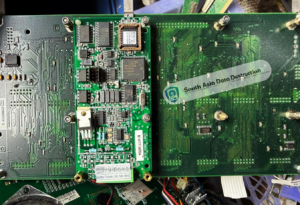
Common examples include:
Hard disk drives (HDDs): Used in desktop computers, laptops, servers, and external storage systems.
Solid-state drives (SSDs): Found in modern laptops, workstations, and enterprise storage equipment.
Servers and storage arrays: May contain databases, business applications, employee records, and operational information.
Desktop computers and laptops: Can retain locally stored files, cached information, and saved credentials.
USB drives and memory cards: Small devices that can hold sensitive documents and transferable business information.
Backup tapes and removable media: May contain archived records or historical company data.
Network-attached storage devices: Used to store shared files and departmental information.
Some multifunction printers, photocopiers, and other office devices may also retain data internally. Organisations should check their specifications before arranging disposal.
Benefits of Professional Data Destruction Services
Working with a suitable data destruction provider can help multinational organisations improve control over retired IT assets.
1. Stronger Protection for Sensitive Information
Appropriate data sanitisation or physical destruction helps prevent unauthorised recovery of information from retired storage media. The method should match the device and the organisation’s security requirements.
2. A More Organised Disposal Process
Large companies may retire hundreds or thousands of devices during technology upgrades. An organised workflow makes it easier to identify equipment, arrange collection, track items, and confirm their final treatment.
3. Improved Accountability and Documentation
Businesses may need evidence showing how data-bearing equipment was handled. Depending on the agreed service, documentation may include asset details, serial numbers, destruction records, and a certificate of destruction.
Companies should confirm the scope and availability of these records with their service provider before starting the project.
4. Support for IT Asset Management
Data destruction can form part of a broader IT asset disposition (ITAD) strategy. When information security requirements are addressed before reuse, resale, recovery, or disposal, businesses can make better-informed decisions about their retired equipment.
5. Greater Confidence for Internal Teams
IT managers, procurement departments, information security teams, and compliance officers often share responsibility for equipment disposal.
A clearly defined process helps these teams understand their roles and provides a consistent approach to handling sensitive assets.
How Does Multinational Company Data Destruction in Malaysia Work?
A professional data destruction project should follow a structured process rather than treating all equipment in the same way.
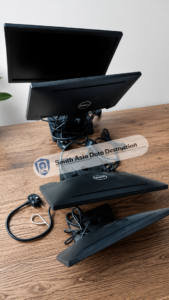 Step 1: Identify and Assess the Equipment
The first step is to determine which devices require treatment. Businesses should prepare an inventory containing relevant information, such as device type, asset number, serial number, storage capacity, and location.
The assessment should identify the sensitivity of the information, the condition of the devices, and whether any equipment needs to be retained for legal, operational, or contractual reasons.
Step 2: Select the Appropriate Destruction Method
There are two main approaches to secure data disposal: data erasure and physical destruction.
Secure data erasure uses an appropriate sanitisation process to remove stored information so it cannot be recovered using the capabilities addressed by the selected method. It may be suitable when a device is intended for reuse and the technology supports reliable sanitisation.
Physical destruction damages the storage medium so it cannot be used normally. Depending on the device and requirements, methods may include specialised shredding or other suitable destruction techniques.
Not every erasure method works for every device. For example, SSDs and HDDs have different storage technologies, so the method must be selected accordingly.
Step 3: Arrange Secure Handling and Collection
For larger projects, companies may need to coordinate the movement of equipment from offices, warehouses, or data centres.
The handling procedure should establish who is responsible for the devices, how they are tracked, and how access is controlled during transportation and processing.
Where appropriate, businesses should agree on collection schedules, inventory checks, and handover records before the equipment leaves their premises.
Step 4: Perform the Agreed Data Destruction
The service provider carries out the approved erasure or physical destruction procedure according to the agreed scope.
Organisations should confirm that the method is suitable for their storage media and security requirements. They should also clarify how failed, damaged, encrypted, or inaccessible devices will be handled.
A documented procedure helps avoid uncertainty about whether every item in the agreed inventory has received the required treatment.
Step 5: Verify and Document the Results
After the work is completed, the company should receive the agreed completion records.
Depending on the service, these may include an inventory reconciliation, destruction report, erasure verification results, or certificate of destruction.
A certificate should accurately reflect the work performed. Businesses should check whether the documentation identifies the relevant devices, describes the method used, and records the completion date.
Step 6: Manage the Remaining IT Assets
Once the data requirements have been satisfied, the remaining equipment can be directed through the appropriate reuse, recovery, or disposal route, subject to the company’s policies and applicable requirements.
If equipment is to be reused or resold, organisations should confirm that data sanitisation is appropriate and complete before releasing it.
Step 7: Maintain Records and Review the Process
The final step is to retain relevant records and review whether the procedure meets internal security requirements.
Companies can use the results to improve asset tracking, vendor management, staff awareness, and future IT replacement projects.
How to Choose a Data Destruction Provider in Malaysia
Selecting a suitable provider is important when confidential business information is involved. Multinational companies should evaluate service capabilities rather than choosing based on price alone.
Consider these factors before making a decision:
Relevant experience: Ask about experience handling corporate IT equipment, enterprise storage media, and larger disposal projects.
Suitable destruction methods: Confirm that the provider can handle the specific HDDs, SSDs, servers, and other devices involved.
Clear procedures: Understand how assets are identified, handled, tracked, processed, and reconciled.
Documentation: Ask what verification records and certificates are provided and what each document confirms.
Security controls: Discuss access restrictions, transportation arrangements, staff responsibilities, and the protection of equipment during processing.
Certifications and standards: Request details of applicable certifications, their scope, and their validity. Verify any claims before relying on them.
Service coverage: Confirm collection availability, project capacity, scheduling, and support for your Malaysian locations.
Transparent quotations: Request a clear breakdown of the services, quantities, equipment types, and any additional charges.
For companies with international operations, it is also useful to confirm whether the provider can meet the organisation’s internal policies and reporting requirements.
Common Data Destruction Mistakes Businesses Should Avoid
Even companies with established IT departments can overlook important details during equipment disposal.
Mistake 1: Assuming file deletion is enough. Deleting files or formatting a drive does not necessarily sanitise all stored information.
Mistake 2: Treating every storage device identically. Different media technologies require different methods, and some devices may not support the same erasure process.
Mistake 3: Ignoring damaged equipment. A device that cannot start may still contain recoverable information. Businesses should establish a suitable procedure for failed or inaccessible storage media.
Mistake 4: Releasing equipment without verification. Devices should not leave the organisation’s control for reuse or disposal until the required data security steps have been completed.
Mistake 5: Overlooking documentation. Without reliable records, it may be difficult to demonstrate which devices were processed and what was done to them.
Avoiding these mistakes helps companies maintain stronger control over confidential information and reduce preventable disposal risks.
Frequently Asked Questions
What is multinational company data destruction in Malaysia?
Multinational Company Data Destruction Malaysia refers to secure data erasure and physical destruction services for multinational organisations operating in Malaysia. These services help protect confidential information stored on retired computers, hard drives, SSDs, servers, and other data-bearing devices.
Is deleting files enough to protect company data?
No. Ordinary file deletion and quick formatting may leave information recoverable. Businesses should select an appropriate data sanitisation or physical destruction method based on the device and security requirements.
What is the difference between data erasure and physical destruction?
Data erasure sanitises storage media so that the information is not recoverable within the capabilities addressed by the method. Physical destruction damages the storage medium. The appropriate option depends on the device, data sensitivity, and whether the equipment will be reused.
Can companies receive a certificate of destruction?
A certificate of destruction may be available when included in the agreed service. Companies should confirm the document’s contents, the devices covered, and the scope of the work performed before appointing a provider.
When should a multinational company arrange data destruction?
Businesses should consider data destruction during computer upgrades, server replacements, office relocations, data centre decommissioning, IT asset retirement, and the disposal of storage devices containing confidential information.
Secure Your Corporate Data with South Asia Data Destruction
Is your organisation preparing to replace computers, retire servers, upgrade its IT infrastructure, or dispose of confidential storage devices in Malaysia?
South Asia Data Destruction provides data destruction and data erasure services for organisations seeking a more secure approach to managing information-bearing IT assets. We help businesses explore suitable solutions for hard drives, SSDs, and other storage media based on their equipment, project requirements, and data security needs.
For multinational companies, choosing the right service involves more than removing old equipment. It means understanding the data involved, selecting an appropriate method, establishing clear handling procedures, and confirming what documentation will be provided.
Our team can discuss your requirements, the type and quantity of equipment involved, your preferred service arrangements, and the records your organisation needs.
Why discuss your project with South Asia Data Destruction?
Solutions tailored to your data destruction requirements.
Support for hard drive destruction and data erasure enquiries.
Clear communication about service scope and procedures.
Assistance with planning corporate IT asset disposal projects.
An opportunity to confirm applicable verification records and documentation before proceeding.
Do not leave confidential business information at risk when retiring IT equipment. Take the next step towards a more controlled and secure disposal process.
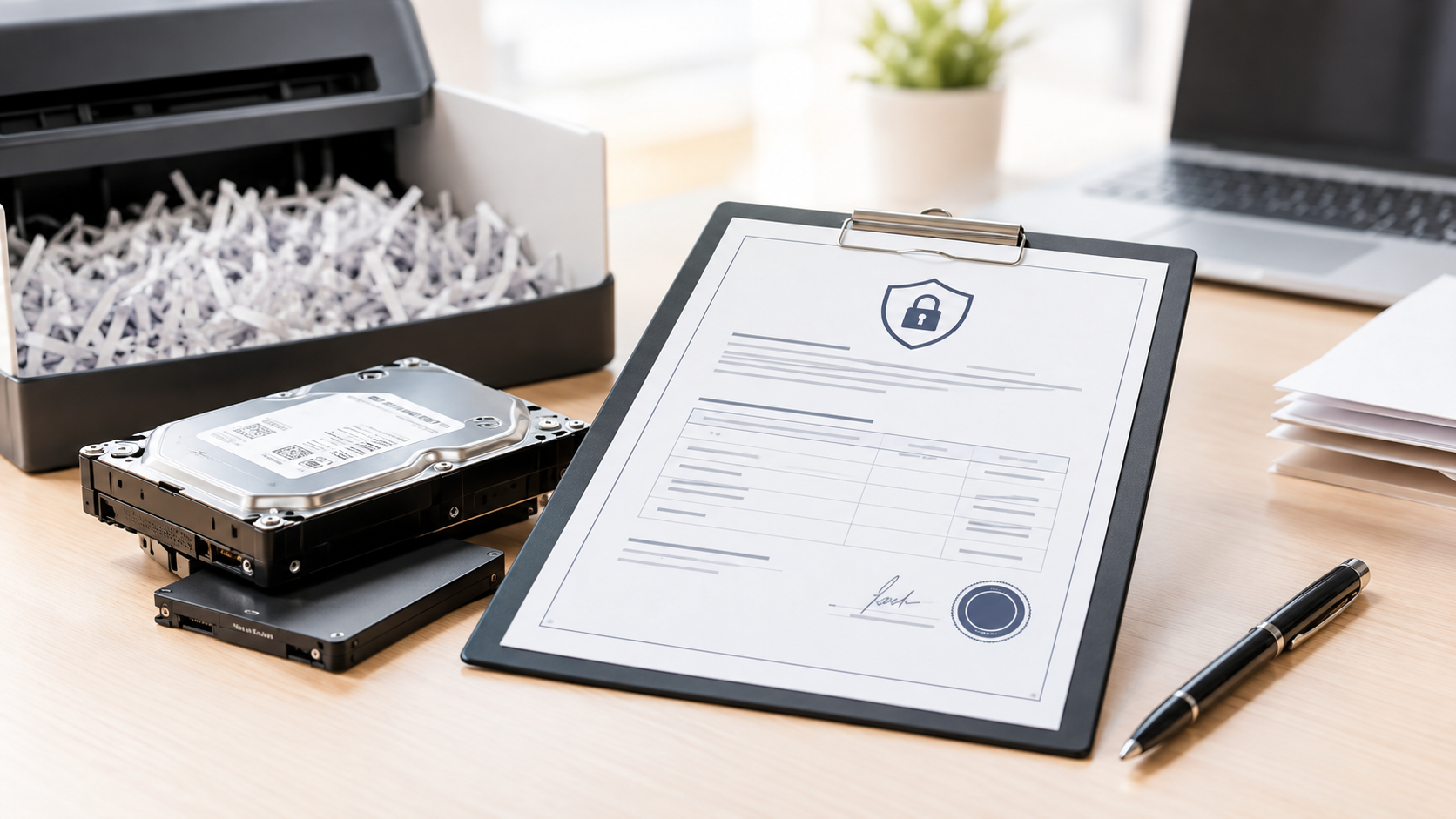
Need Proof of Secure Disposal? Use This Template for Certificate of Destruction
Need Proof of Secure Disposal? Use This Template for Certificate...
Read More..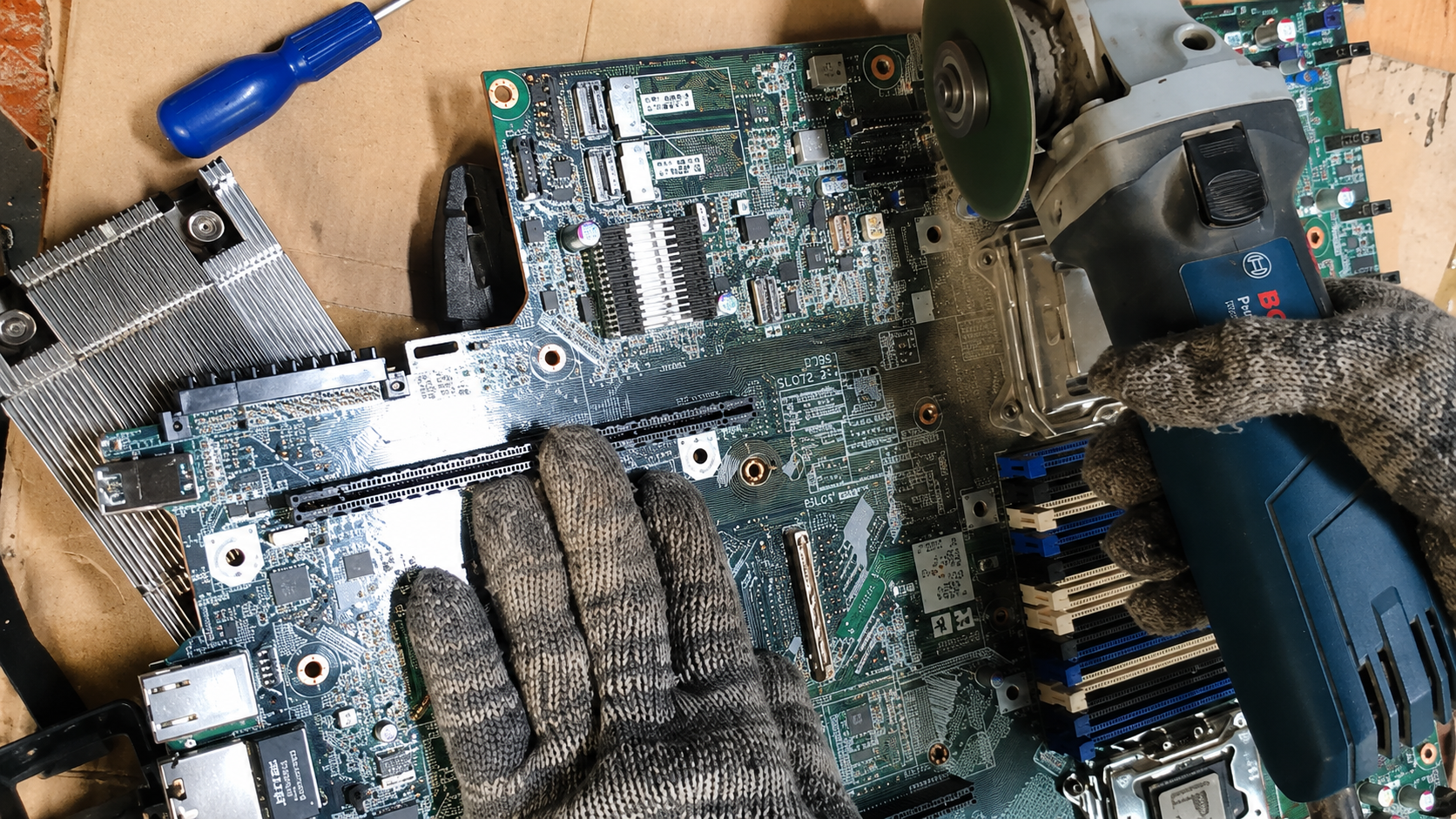
Perkhidmatan Pemusnahan Data di Malaysia
Perkhidmatan Pemusnahan Data di Malaysia Mengapa Perkhidmatan Pemusnahan Data Sangat...
Read More..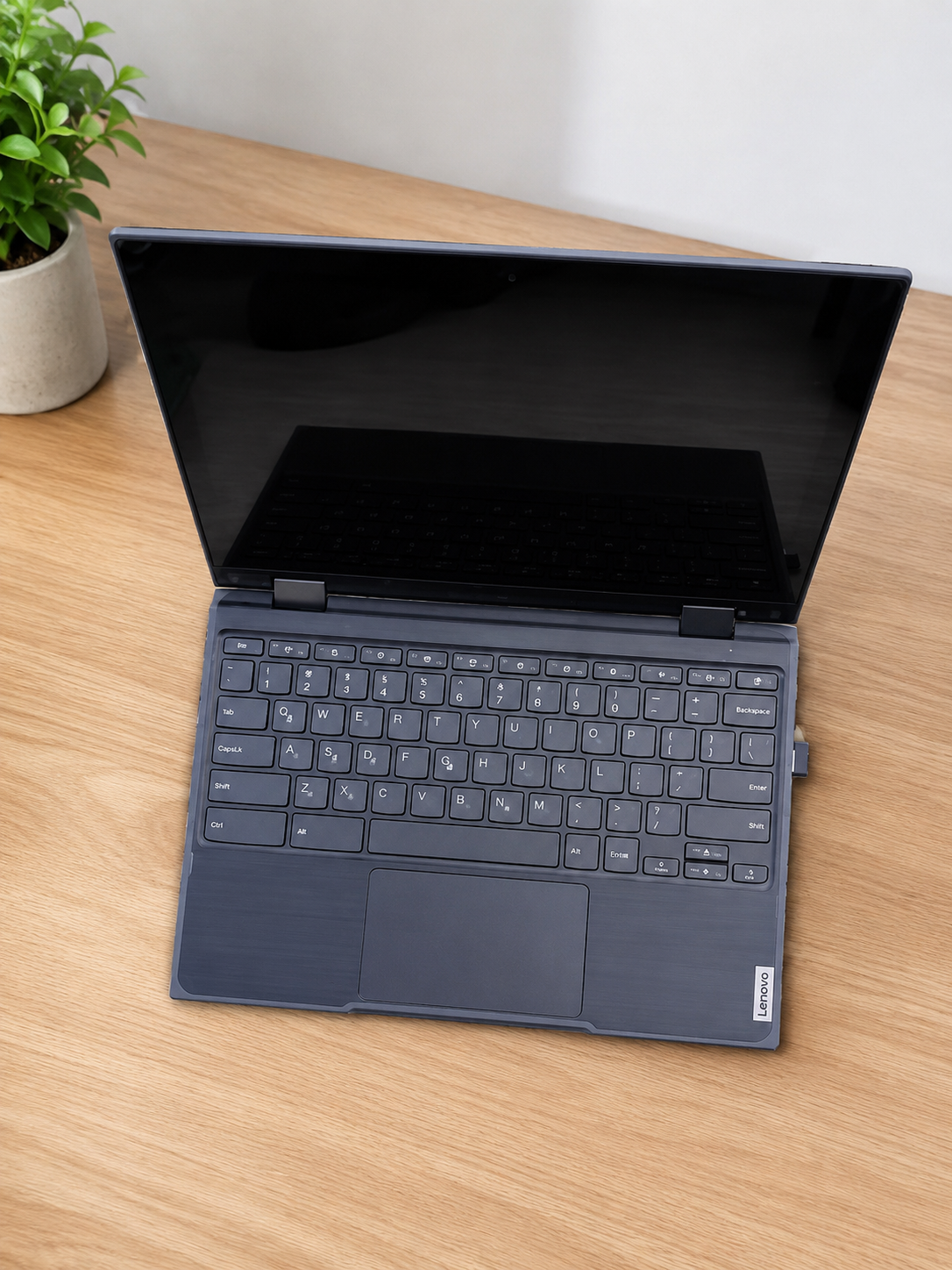
Are Your Old Devices Still Putting Your Business at Risk? Discover Why Data Destruction Services Matter in 2026
Are Your Old Devices Still Putting Your Business at Risk?...
Read More..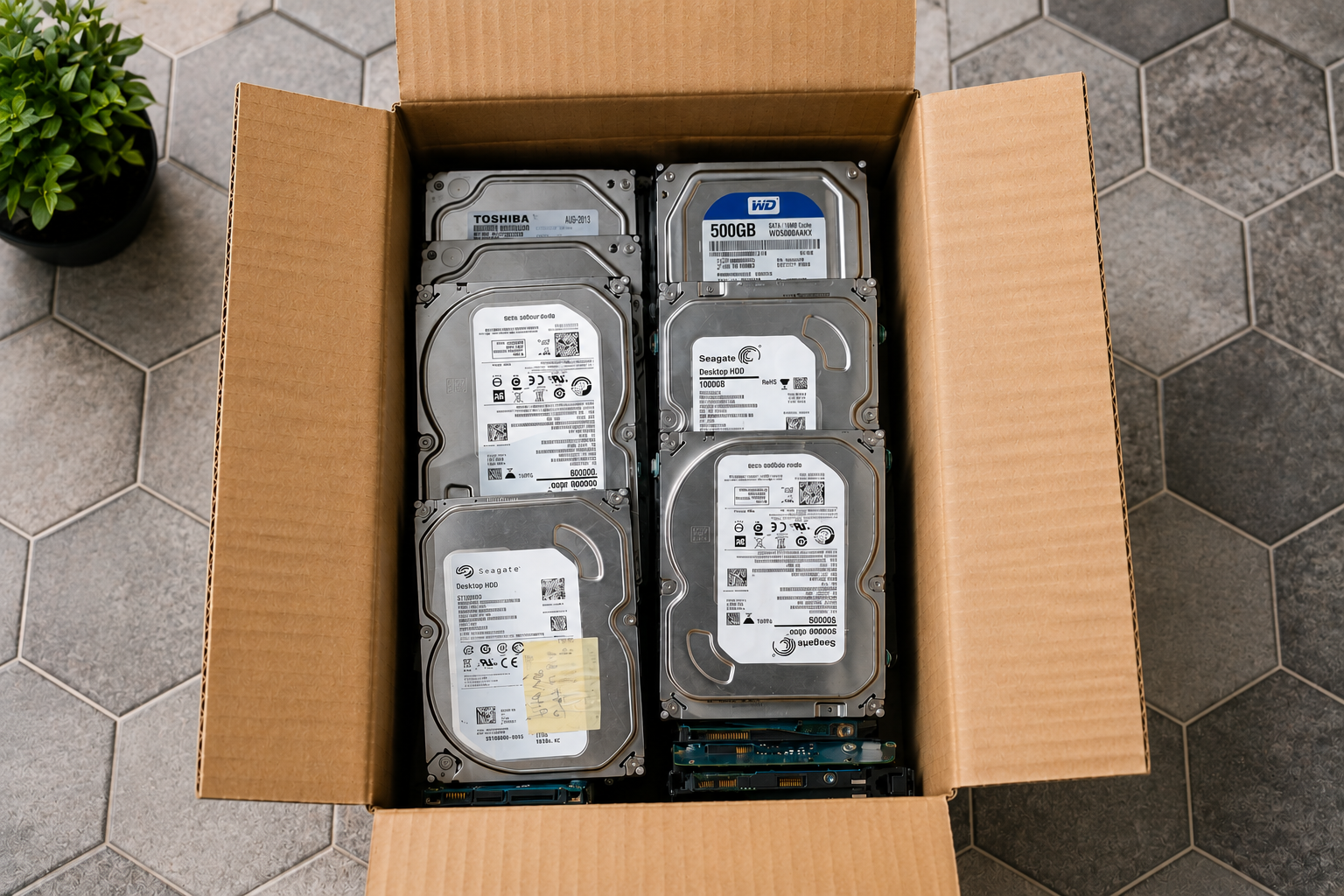
hard drive destruction service malaysia
hard drive destruction service malaysia How to Choose the Right...
Read More..