
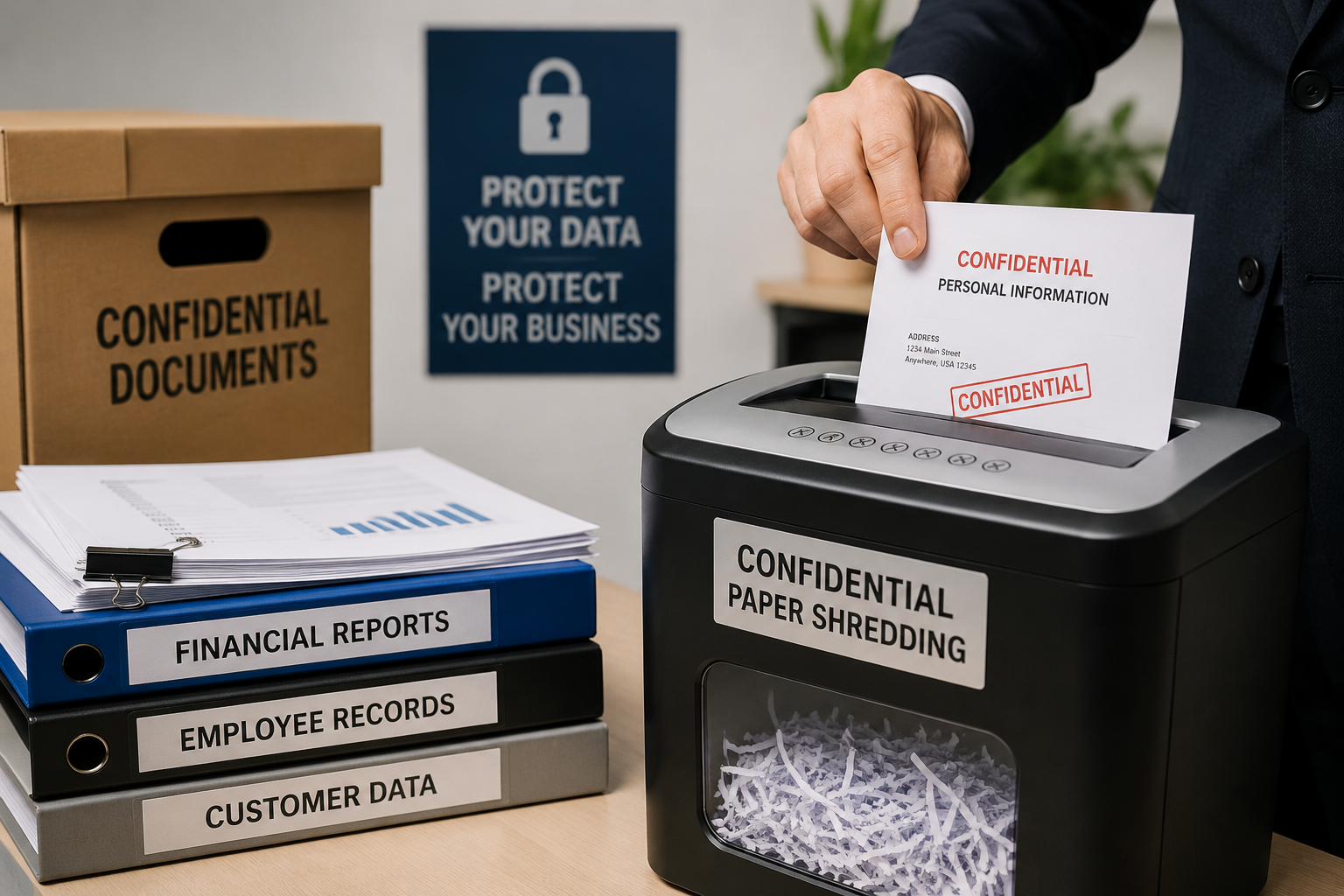
Have you ever thrown away old invoices, employee records, or client files without thinking twice about who might access them later?
For businesses across Malaysia, improper document disposal can create serious risks. From financial records and customer information to internal reports and contracts, sensitive paperwork must be handled carefully. Learning how to dispose of confidential paperwork securely is no longer optional—it is an essential part of protecting your business reputation and ensuring regulatory compliance.
Data Privacy Starts with Proper Document Destruction
Every business generates paper documents containing valuable information. Even in today’s digital world, printed records remain common across industries such as healthcare, finance, retail, legal services, and manufacturing.
When you fail to dispose of confidential paperwork properly, sensitive information can fall into the wrong hands. Documents left in bins, storage rooms, or unsecured recycling containers can be easily accessed and misused.
 Rising Data Breaches Highlight the Need for Secure Paper Disposal
Data breaches are becoming more frequent and costly worldwide. While many organizations focus heavily on cybersecurity, physical documents often remain overlooked.
A single misplaced file can expose confidential information, leading to identity theft, financial losses, and legal consequences.
Businesses that regularly dispose of confidential paperwork using secure methods significantly reduce their risk of information leaks.
PDPA Compliance and Secure Document Destruction in Malaysia
The Personal Data Protection Department Malaysia enforces the requirements of the Personal Data Protection Act 2010 (PDPA), which governs how organizations collect, manage, store, and dispose of personal information.
Under PDPA guidelines, businesses are responsible for ensuring personal data is securely destroyed when it is no longer needed.
Failure to dispose of confidential paperwork correctly may result in regulatory penalties, legal liabilities, and reputational damage.
To support PDPA compliance, businesses should:
- Establish document retention schedules
- Train employees on secure disposal procedures
- Partner with certified document destruction providers
- Maintain records of destruction activities
- Conduct regular compliance audits
Secure paper disposal demonstrates your commitment to protecting customer privacy and meeting regulatory obligations.
One Mistake in Paper Disposal Could Cost Your Business Thousands
Improperly discarded documents can lead to expensive consequences.
The costs associated with a data breach often include:
- Regulatory fines
- Legal fees
- Customer compensation claims
- Loss of business opportunities
- Damage to brand reputation
- Recovery and investigation expenses
One simple mistake—such as placing confidential files in a regular recycling bin—can expose your business to significant financial and operational risks.
By choosing professional shredding services to dispose of confidential paperwork, organizations can avoid unnecessary costs and strengthen trust with customers and stakeholders.
Protect Your Information with Professional Document Destruction Services
At South Asia Data Destruction, we help businesses across Malaysia securely dispose of confidential paperwork with reliable and compliant document destruction solutions.
Our services include onsite shredding, scheduled collections, secure transportation, and certificates of destruction to support your compliance requirements.
With experienced professionals, strict security protocols, and a commitment to quality, we ensure your confidential information remains protected from collection to final destruction.
Contact South Asia Data Destruction today to safeguard your sensitive documents and strengthen your organization’s data security strategy.
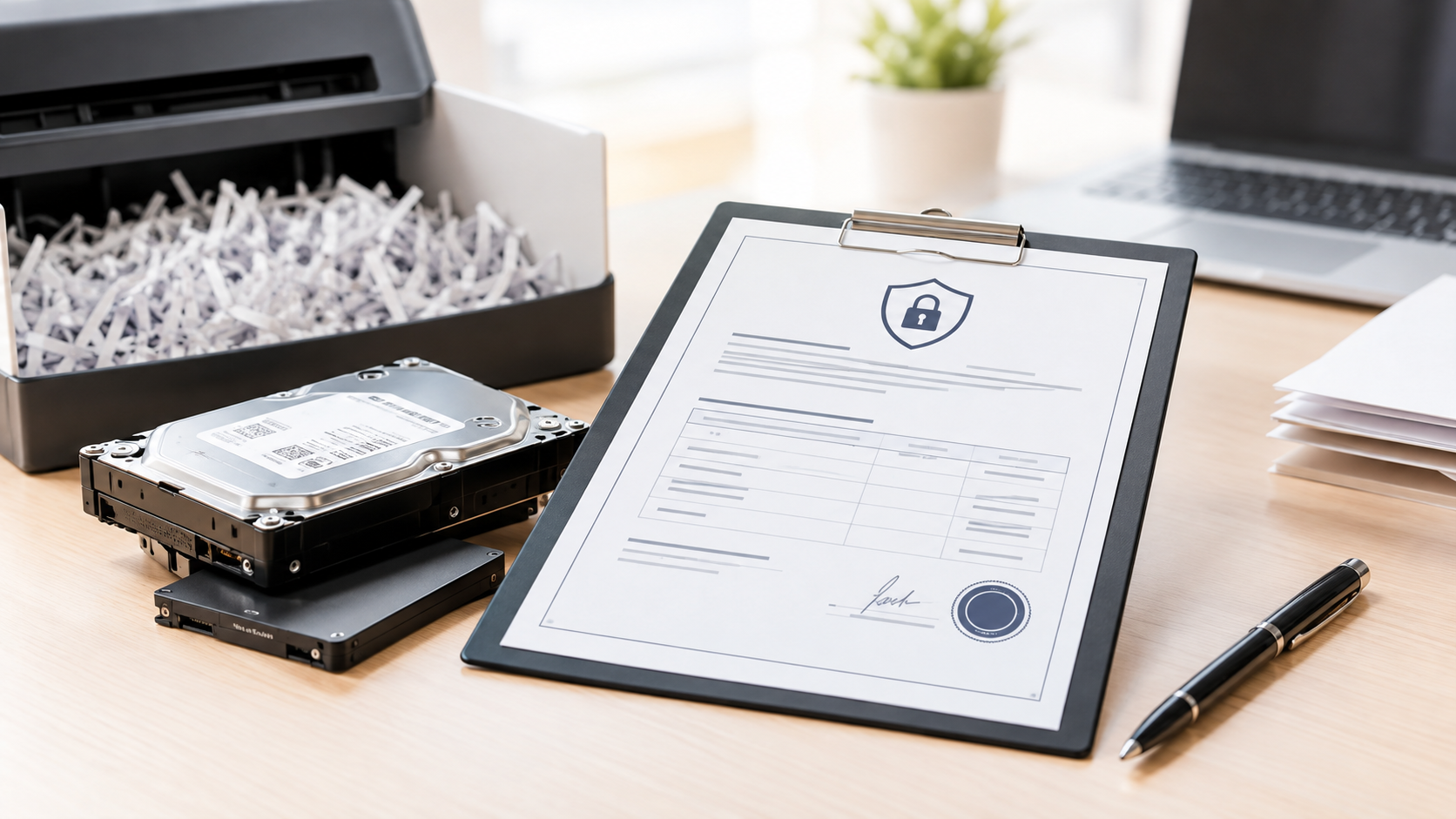
Need Proof of Secure Disposal? Use This Template for Certificate of Destruction
Need Proof of Secure Disposal? Use This Template for Certificate...
Read More..
Perkhidmatan Pemusnahan Data di Malaysia
Perkhidmatan Pemusnahan Data di Malaysia Mengapa Perkhidmatan Pemusnahan Data Sangat...
Read More..
Are Your Old Devices Still Putting Your Business at Risk? Discover Why Data Destruction Services Matter in 2026
Are Your Old Devices Still Putting Your Business at Risk?...
Read More..
hard drive destruction service malaysia
hard drive destruction service malaysia How to Choose the Right...
Read More..